

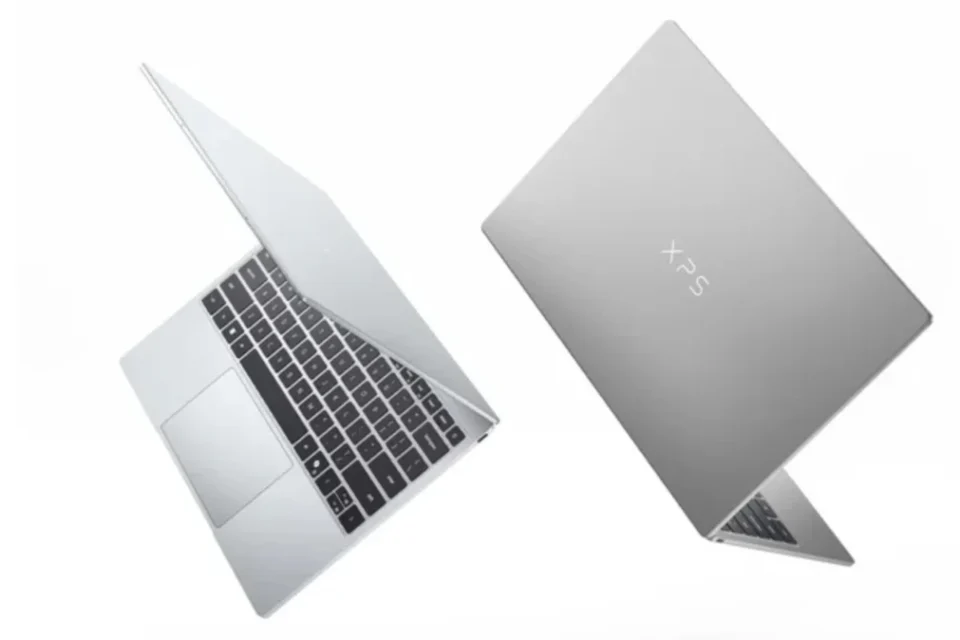
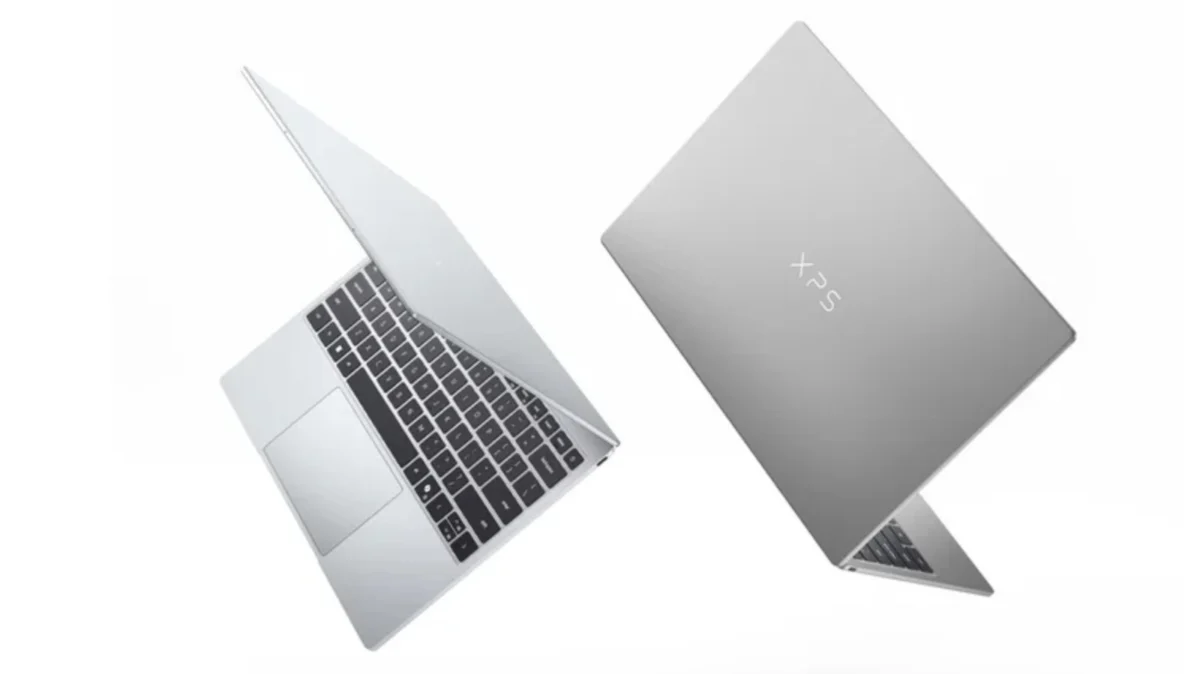
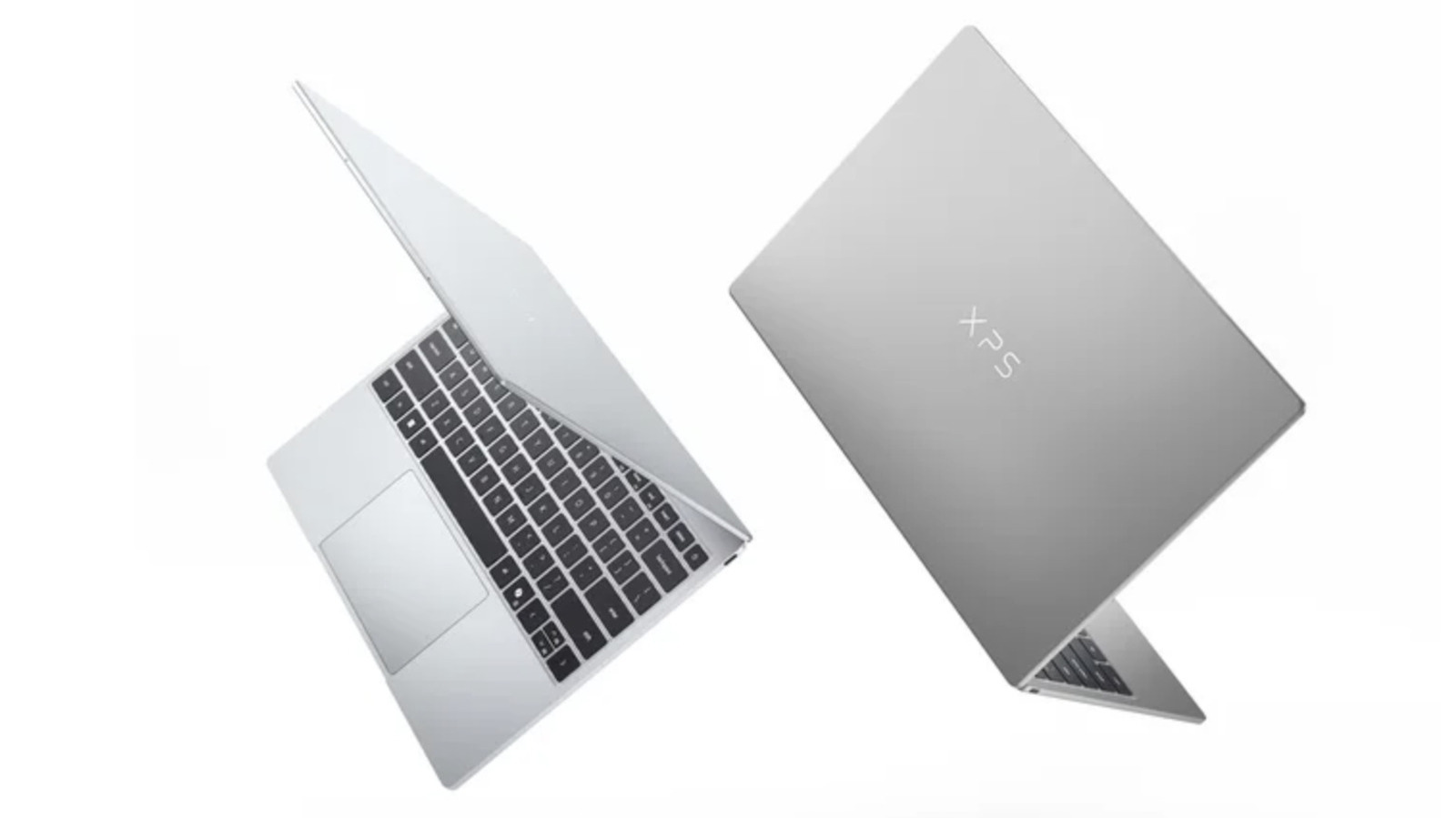
The personal computing landscape, particularly the segment dedicated to students and educators, has entered a period of unprecedented volatility. Following a month of industry anticipation, Dell has officially released the latest iteration of its flagship XPS 13, signaling a decisive move to reclaim territory in the ultra-portable, budget-friendly market. With a starting price point that undercuts the premium segment, the XPS 13 arrives at a critical juncture, directly challenging the momentum generated by Apple’s recently launched MacBook Neo.
The Core Offering: Dell’s Strategic Price Point
Dell’s decision to position the new XPS 13 at an aggressive entry point—$599 for students and $699 for the general public—is a clear acknowledgment of the shifting economic priorities of educational institutions and individual consumers. For years, the XPS line was synonymous with high-end, premium Windows computing, often priced well beyond the reach of the average undergraduate or K-12 district. By stripping away extraneous costs while retaining the chassis design and build quality that the XPS series is known for, Dell is making a calculated bet on volume.
The laptop arrives at both physical retail locations and online storefronts as of today, effectively ending the weeks-long waiting period that followed its late-May announcement. This launch is not merely a product rollout; it is a tactical response to the disruption caused by Apple’s recent shift in strategy.
A Chronology of the Budget Laptop Conflict
To understand the stakes of this launch, one must examine the rapid succession of events that brought the industry to this point:
- Early May 2026: Rumors circulate regarding Apple’s intent to address the "affordable" laptop segment, a market they had previously ignored in favor of the MacBook Air and Pro series.
- Mid-May 2026: Apple officially unveils the "MacBook Neo," a laptop marketed specifically toward education. The device receives immediate praise for its performance-to-price ratio.
- Late May 2026: Dell announces the updated XPS 13, framing it as a direct competitor to the Neo, promising a return to the "essentials" of the XPS brand.
- Early June 2026: Kansas City Public Schools announce a massive procurement deal, integrating over 4,500 MacBook Neos into their curriculum, setting a benchmark for adoption.
- Present Day: The Dell XPS 13 officially goes on sale, aiming to disrupt the momentum Apple has built in the education sector.
The MacBook Neo Factor: A High Bar to Clear
The primary obstacle standing in the way of Dell’s success is the overwhelming reception of the MacBook Neo. In recent technical reviews, the Neo has been lauded for its efficiency, battery life, and the seamless integration of Apple’s ecosystem into the classroom. Many industry analysts have noted that the Neo effectively "puts every $600 Windows PC to shame," a sentiment that has trickled down to school boards and university procurement departments.
Apple’s strategy has been two-fold: hardware excellence and institutional integration. By securing deals like the one in Kansas City, Apple has moved beyond individual sales, instead embedding their hardware into the infrastructure of public school systems. For Dell to match this success, the XPS 13 must prove that its value proposition—specifically its compatibility with Windows-based enterprise software and legacy classroom tools—outweighs the aesthetic and functional allure of the Apple ecosystem.
Supporting Data: Can Windows Sustain the Lead?
While Apple has captured the headlines, Windows devices still hold the largest share of the global education market. According to recent industry reports, over 60% of K-12 laptops deployed in North America still run on Windows or ChromeOS. However, this lead is eroding.
The XPS 13 is designed to capitalize on the "switching cost" dilemma. For districts that have invested millions in Windows-based IT infrastructure, cloud management software, and specialized software suites, switching to the MacBook Neo is not just a hardware purchase; it is a platform migration that involves retraining staff and re-imaging servers. Dell is banking on the fact that the XPS 13 offers a "plug-and-play" experience for these legacy environments, a convenience that the Neo cannot claim.
Official Responses and Industry Outlook
In a statement accompanying the launch, a spokesperson for Dell emphasized the company’s commitment to the "long-term versatility" of the XPS line. "We recognize that students need more than just a device; they need a partner that works with the software they will encounter in the workforce," the statement read. Dell’s messaging highlights the XPS 13’s robust port selection and file system flexibility—two areas where the MacBook Neo has received moderate criticism from power users.
Conversely, Apple has remained characteristically silent on the competition, focusing instead on the continued expansion of the Neo’s availability. Analysts suggest that Apple’s silence is a sign of confidence, indicating that they are content to let the product’s performance in the classroom speak for itself.
Strategic Implications for the Consumer
For the average buyer, the choice between the new Dell XPS 13 and the MacBook Neo is no longer a matter of brand loyalty, but a choice between two distinct computing philosophies:
- The Ecosystem Approach (Apple): Users who prioritize battery life, build consistency, and the simplicity of the macOS interface will likely continue to gravitate toward the Neo.
- The Compatibility Approach (Dell): Users who require deep integration with Microsoft 365, specialized industry-specific software, or who are operating within existing Windows-heavy IT departments will find the XPS 13 a much more logical purchase.
Future Outlook: The Education Market as the New Frontier
As the 2026 school year approaches, the battle for the classroom will intensify. Dell’s success will be measured not just in units sold, but in how quickly it can secure district-wide contracts that challenge Apple’s recent gains.
The introduction of the XPS 13 is a clear signal that the "budget" segment is no longer a dumping ground for low-quality components. Manufacturers are realizing that by winning over the student market, they are capturing a lifetime of brand loyalty. Whether the Dell XPS 13 can repeat the historic successes of its predecessors—or if the MacBook Neo has fundamentally changed the expectations of what a student laptop should be—remains the central question of the year.
For now, the consumer is the ultimate winner. With two major titans of the industry fighting for the sub-$700 price bracket, the level of hardware quality, support, and innovation available to students and budget-conscious professionals is at an all-time high. The only remaining question is whether Dell’s late-month arrival is enough to pivot the momentum back in favor of the Windows camp. As both devices hit the shelves, the market will soon provide its definitive answer.